
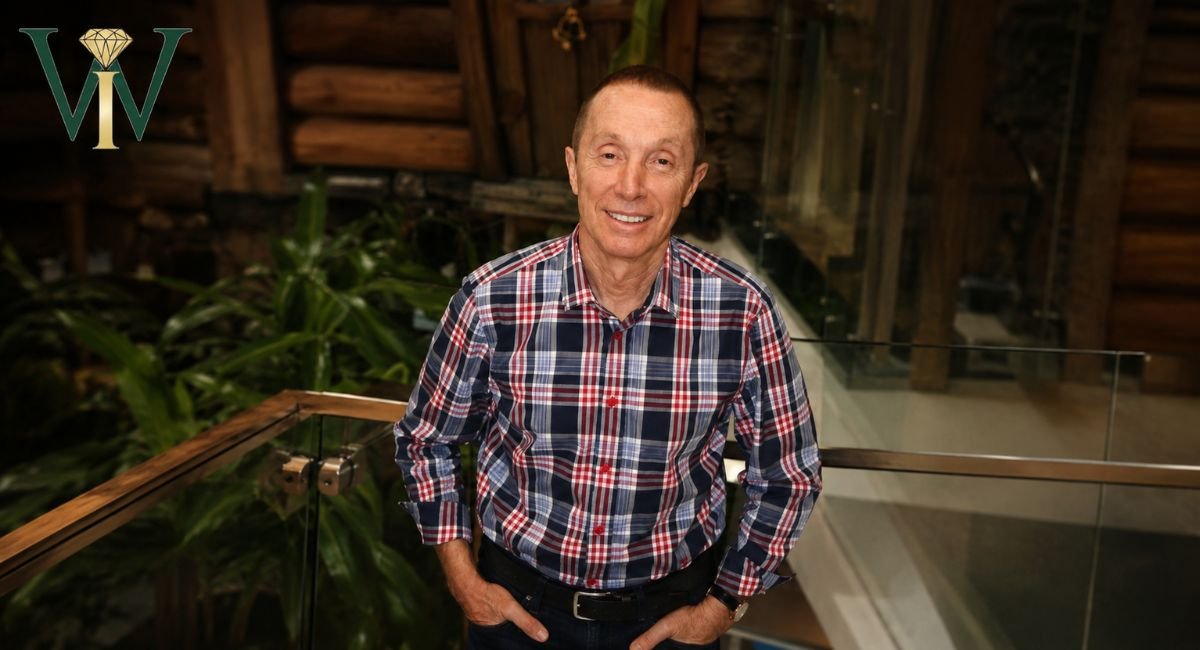
Manny Stul has built an impressive fortune through decades of entrepreneurship, innovation, and strategic business decisions. Best known for leading Moose Toys, the Australian businessman transformed a small toy company into a global player with popular brands such as Shopkins. His journey began long before his billionaire status, with experience in the giftware industry and several business ventures.
Today, Manny Stul net worth is estimated at around $1.2 billion, according to Forbes’ 2026 estimate. His success reflects self-made wealth, strong leadership, and an ability to spot promising opportunities. From humble beginnings to becoming an Australian billionaire, Stul’s story offers valuable insight into wealth creation, resilience, and long-term business growth.
Who Is Manny Stul?
Manny Stul is an Australian businessman and entrepreneur associated with Moose Toys. He serves as chairman and co-CEO of Moose Enterprise Holdings and has spent decades developing businesses across the giftware and toy sectors. His Manny Stul biography includes an extraordinary early chapter because he was born into a family of Polish refugee parents after World War II.
Stul later moved to Australia with his family and eventually entered business for himself. Rather than following a conventional academic route, he developed practical skills through work and entrepreneurship. That hands-on approach became an important part of his leadership style. His career eventually placed him among Australia’s wealthiest business figures and earned him international recognition as a global entrepreneur.
Manny Stul Net Worth in 2026
According to Forbes, Manny Stul’s real time net worth stood at approximately $1.2 billion in August 2026. Forbes identifies his source of wealth as toys and describes him as self-made. His wealth is closely connected to his ownership and leadership interests in Moose Toys and the businesses he built before entering the toy sector.
The exact figure can change because private-company valuations, ownership interests, and other assets aren’t publicly priced like listed stocks. Therefore, any estimate should be treated as a snapshot rather than a permanent number. Still, the available information places Stul firmly in the billionaire category. His estimated net worth reflects a long entrepreneurial career rather than a single salary or investment windfall.
| Wealth Detail | Information |
| Estimated 2026 wealth | About $1.2 billion |
| Main wealth source | Toys and business ownership |
| Business | Moose Toys |
| Citizenship | Australia |
| Residence | Melbourne, Australia |
| Forbes status | Billionaire |
| Wealth type | Self-made |
Why His Net Worth Is Difficult to Calculate
Unlike public-company executives, Stul doesn’t receive a constantly visible market valuation for every private business interest. Moose Toys remains privately held, making its exact ownership structure and current valuation less transparent.
That means Manny Stul wealth estimates depend on available company information, reported ownership, business performance, and valuation assumptions. Forbes remains one of the most widely cited sources for his current billionaire estimate.
Manny Stul’s Early Life, Education & Background
Stul’s early life began under circumstances far removed from billionaire status. Forbes reports that his parents were Polish Holocaust survivors and that he was born in a German refugee camp before the family eventually traveled to Australia. This family background shaped a story built around survival, adaptation, and determination.
His formal education was limited compared with many modern technology billionaires. Available biographies describe him as leaving school relatively early after a scholarship opportunity ended. Instead of allowing that setback to define him, Stul entered working life and gained practical experience. His Manny Stul education story therefore highlights experience as an alternative form of business training.
From Refugee Beginnings to Australian Business
Stul’s family eventually established itself in Australia, where he began building his working life. EY describes him as the child of Polish refugee parents and notes that he worked in construction in remote northwest Australia to raise capital for his first business.
That experience gave him an early lesson in persistence. He didn’t begin with a large investment fund or established corporate network. Instead, he accumulated knowledge and capital gradually. His background later became an important part of his identity as an Australian entrepreneur.
Manny Stul’s Career Journey
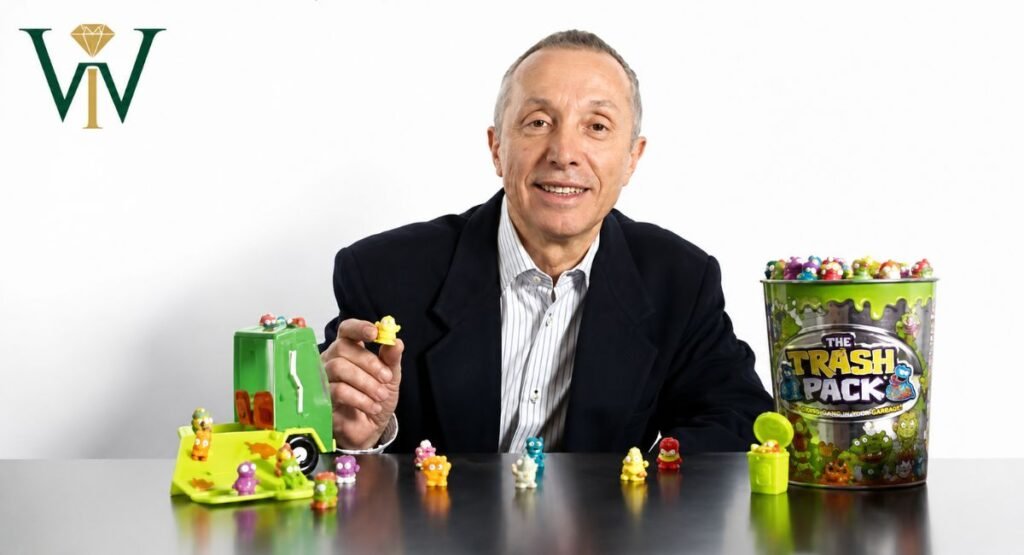
The first major chapter of Stul’s business career began with Skansen Giftware in 1974. He built the company into a substantial giftware operation and eventually took it public on the Australian Stock Exchange in 1993. EY describes the company as one of Australia’s largest and most innovative gift businesses at the time.
That experience mattered because giftware taught Stul about product design, wholesale distribution, manufacturing, retail relationships, and consumer demand. Those skills later became useful in toys. His Manny Stul career wasn’t a straight line. He also explored ventures such as organic farming before turning his attention toward Moose.
The Decision That Changed His Career
In 2000, Stul took control of Moose, which was then a relatively small toy company. EY says the business had only around 10 employees when he took control. Instead of immediately imposing sweeping changes, Stul reportedly spent years understanding its operations across production, storage, distribution, and sales.
That approach reveals an important part of his business leadership philosophy. He learned the machinery of the company before attempting to accelerate it. The strategy eventually produced dramatic growth, turning a modest operation into a global toy business.
Surviving a Major Business Crisis
One of Stul’s most important career tests came when Moose faced a major toy recall. The crisis threatened the company’s future and created enormous financial pressure. Rather than simply walking away, Stul pursued regulatory approvals, worked with distributors, and kept employees working through the difficult period.
The episode demonstrates why resilience became central to his entrepreneurial reputation. Successful companies rarely grow without setbacks. Stul’s ability to keep operating during a severe disruption became one of the defining examples of his entrepreneurial journey.
Manny Stul and His Major Companies
Skansen Giftware was the foundation of Stul’s early business success. He founded the company in 1974 and eventually developed it into a publicly listed Australian giftware business. This first venture helped him understand consumer products long before he entered the modern toy manufacturing market.
Moose became the centerpiece of his later career. Under Stul’s leadership, the company expanded internationally and developed successful products such as Mighty Beanz, Shopkins, Little Live Pets, and other toy lines. EY reported that Moose’s sales increased by 7,200% over 15 years and that its products reached more than 80 countries.
Moose Toys and Its Global Expansion
Moose Toys became famous for combining collectible products with strong character development and imaginative play. Its growth helped establish the company as a significant competitor in the international toy industry.
The company also developed a recognizable approach to product creation. Stul has described Moose as more than a conventional toy maker, calling it a creative house and a creative hub where innovation sits at the center of the business. That philosophy helped shape its product strategy.
Shopkins and the Collectible Toy Boom
Shopkins became one of Moose’s biggest commercial successes. The tiny collectible characters were inspired by everyday grocery and department-store products. That simple idea created a massive collecting culture among children and helped turn Moose into a household name in several markets.
The Shopkins collectibles strategy also showed Stul’s understanding of repeat purchasing. Collectible products can encourage children and families to return for additional characters. That model helped turn an individual toy into a broader franchise rather than a one-time purchase.
How Manny Stul Built His Wealth

Stul’s fortune comes primarily from business ownership and the long-term value created by his companies. His first major wealth-building engine was Skansen Giftware, which he developed before eventually taking the company public. Later, Moose became the central asset associated with his fortune.
This makes Manny Stul fortune a useful example of equity-based wealth. Entrepreneurs can create substantial personal wealth when they retain meaningful ownership in businesses that grow dramatically. Instead of relying only on executive compensation, Stul participated in the underlying value generated by his companies.
The Moose Growth Formula
Moose’s success wasn’t built around one product alone. The company combined product development, international distribution, licensing, marketing, and repeated innovation. Shopkins became a breakout hit, while other brands helped diversify its portfolio.
EY reported that Moose’s sales increased by 7,200% during Stul’s first 15 years of control. The company became the fourth-largest toy company in Australia and sixth-largest in the United States by sales at the time.
Turning Innovation Into Wealth
Stul’s approach shows why innovation in business can have financial consequences. A toy company must constantly create products that attract children, parents, retailers, and collectors.
Rather than treating innovation as a one-time event, Moose developed it as an ongoing discipline. This helped the company remain relevant as consumer tastes changed. The result was a business model where creativity became an economic asset.
Business Resilience During the Pandemic
The pandemic created another difficult challenge when global supply chains became strained. Forbes reports that Stul responded to a logistics crisis by chartering an entire ship to transport products from China.
That decision illustrates the value of business resilience. Instead of allowing shipping problems to stop product flow, Moose found an unconventional solution. The move also highlights how large-scale consumer businesses must manage manufacturing, freight, inventory, and retail demand simultaneously.
Manny Stul’s Major Achievements, Awards & Recognition
Stul’s career has produced recognition well beyond the toy industry. His most famous honor came in 2016 when he became EY World Entrepreneur of the Year. EY identifies him as the 2016 global winner and notes that he had previously won Australia’s Entrepreneur of the Year award.
The award was particularly notable because Stul became the first Australian to receive the global EY honor. His selection recognized not only financial growth but also his persistence, innovation, and ability to navigate major business challenges. It remains one of the defining Manny Stul achievements.
EY World Entrepreneur of the Year
In 2016, Stul was selected from country winners representing dozens of nations. EY highlighted Moose’s dramatic growth and international reach when announcing the award.
The EY World Entrepreneur of the Year recognition strengthened his reputation beyond Australia. It placed his story alongside internationally recognized business founders and leaders. For Stul, the award represented decades of work rather than a sudden rise.
Recognition in the Toy Industry
Stul has also received recognition within Australia’s toy sector. Moose’s products earned industry awards during the company’s expansion, while Stul himself was later inducted into the Australian Toy Industry Hall of Fame.
These honors matter because they reflect two sides of his career. The first involves business leadership. The second involves actual product creation and the company’s influence on the manufacturing industry.
Manny Stul’s Personal Life, Wife & Children
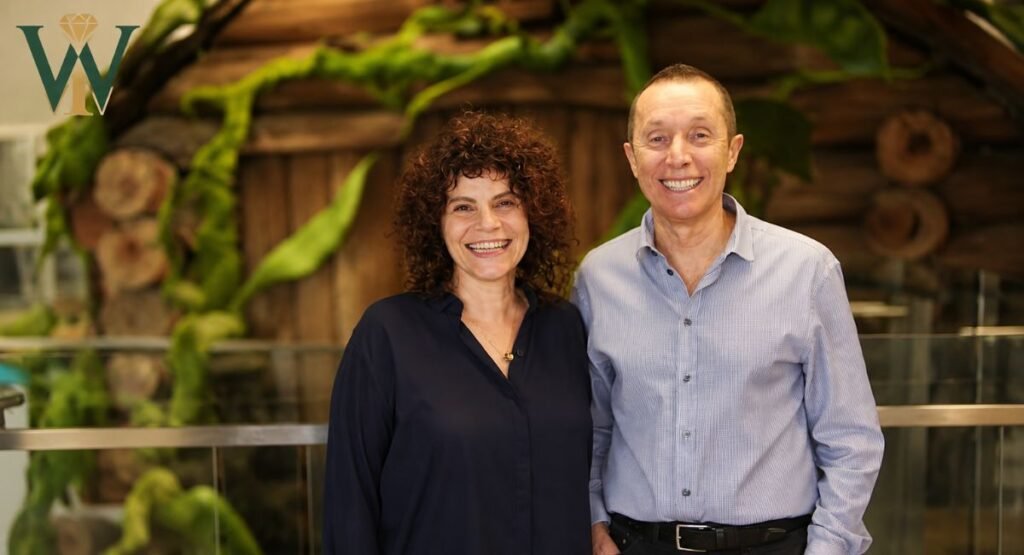
Beyond business, Stul has maintained a relatively private personal life. Forbes lists him as married with two children and gives his residence as Melbourne, Australia.
His wife, Jacqui Tobias, has also been associated with Moose and its product development activities. Public reporting has described Tobias as a director connected with Moose and Paul Solomon, Stul’s stepson, as a co-CEO. This makes the Stul business story unusual because family relationships have intersected with company leadership.
Manny Stul Family and Business
The Manny Stul family has played an important role around Moose’s leadership structure. His wife has been involved with the business, while his stepson Paul Solomon has held a senior executive role.
That arrangement reflects Stul’s preference for a long-term privately controlled business. Rather than building Moose purely around outside shareholders, the leadership structure has remained closely connected to the people who helped develop it.
Manny Stul Age and Residence
Forbes lists Manny Stul age at 77 and identifies Melbourne, Australia, as his residence. It also lists Australia as his citizenship.
His life demonstrates how geography doesn’t have to limit ambition. Although Moose began in Australia, Stul repeatedly treated the country as a launchpad for international expansion. His Australian citizenship remains closely tied to his public identity as a major Australian business leader.
Manny Stul’s Lifestyle, Fitness & Interests
Stul’s lifestyle appears less focused on celebrity displays than his billionaire status might suggest. His public reputation centers primarily on business, creativity, product development, and company culture rather than extravagant personal branding.
His interests have also included ventures outside toys. Forbes notes that he explored organic farming before becoming deeply involved with Moose. That detail shows his curiosity extends beyond a single industry and reflects a broader interest in business ventures.
A Creative Approach to Business
Stul has emphasized that Moose should not think of itself simply as a toy company. He has described it as a creative house where innovation drives the organization.
That philosophy influences the company’s culture. Toys compete for attention in a crowded marketplace, so successful products need memorable concepts. Stul’s approach treats creativity almost like an internal engine that keeps the business moving.
Manny Stul’s Philanthropy, Legacy & Impact
Stul’s legacy extends beyond his personal fortune. His business story is often discussed alongside resilience, entrepreneurship, and the importance of giving back. During his 2016 EY recognition, he encouraged entrepreneurs to use their wealth positively and contribute to society.
His impact can also be measured through Moose’s global footprint. The company expanded from a small Australian operation into a major international toy producer. Its products reached consumers across numerous countries, demonstrating how an Australian company could compete successfully on a global stage.
His Legacy as an Entrepreneur
The most important part of Stul’s legacy may be his ability to recover from adversity. Moose faced a major recall crisis, global supply disruptions, and the unpredictable nature of children’s entertainment trends.
Yet the business continued evolving. Its story offers a useful lesson for entrepreneurs: resilience isn’t about avoiding problems. It’s about having enough conviction and flexibility to solve them.
Why His Story Matters
The Manny Stul legacy isn’t simply about reaching billionaire status. It is about building companies around creativity, learning from difficult periods, and thinking internationally.
For aspiring entrepreneurs, his career offers an interesting contrast to Silicon Valley success stories. There was no software startup or instant technological breakthrough. Instead, Stul built wealth through physical products, manufacturing, distribution, retail, and persistent innovation.
Manny Stul Net Worth Timeline & Key Facts
The Manny Stul wealth history stretches across several decades. He began with practical work, launched Skansen Giftware in 1974, and later turned his attention toward Moose. His takeover of the toy company in 2000 became the pivotal moment that ultimately transformed his financial profile.
The timeline below combines major career milestones with important business developments. It also shows why his wealth cannot be understood by looking only at his current billionaire ranking.
| Year | Major Event |
| 1948–49 | Manny Stul is born in Germany |
| 1974 | Founds Skansen Giftware |
| 1993 | Skansen becomes publicly listed |
| 2000 | Takes control of Moose |
| 2002 | Moose develops Mighty Beanz |
| 2014 | Shopkins launches |
| 2015 | Wins EY Entrepreneur of the Year Australia |
| 2016 | Wins EY World Entrepreneur of the Year |
| 2017 | Enters Australian Toy Industry Hall of Fame |
| 2020–21 | Navigates pandemic supply-chain disruption |
| 2026 | Forbes estimates wealth at about $1.2 billion |
Manny Stul Wealth History Explained
The Manny Stul timeline shows a gradual accumulation of business experience rather than a sudden financial breakthrough. Skansen provided his first major entrepreneurial platform. Moose then gave him exposure to a much larger international market.
By 2026, Forbes lists him among the world’s billionaires with an estimated fortune of around $1.2 billion. His position reflects decades of ownership, growth, and business decision-making.
Manny Stul as a Self-Made Billionaire
Calling Stul a self-made billionaire captures an important part of his story. He didn’t inherit a ready-made global toy empire. Instead, he built businesses, invested his experience into new opportunities, and developed Moose into a major international company.
His journey from a refugee-camp childhood to billionaire status is particularly striking. It demonstrates how long-term entrepreneurship can reshape a person’s financial trajectory.
What Drives His Business Success?
At the heart of Stul’s strategy is a simple idea: create products people genuinely want. Moose’s success with Shopkins and other brands demonstrates how creativity can become a powerful commercial advantage.
His career also shows the value of persistence. From manufacturing problems to recalls and supply-chain disruptions, Stul repeatedly faced obstacles that could have ended a smaller company. Instead, each challenge became another test of his entrepreneurial success.
Conclusion
Manny Stul’s story is far more interesting than a billionaire number on a rich list. His journey began with a refugee family, continued through practical work and giftware, and eventually led to global success in toys. His rise demonstrates how patience, ownership, innovation, and resilience can compound over decades.
Today, his connection with Moose Toys remains central to his identity and fortune. The company transformed from a small operation into an international player with products such as Shopkins reaching consumers worldwide. His Manny Stul net worth of roughly $1.2 billion is therefore best understood as the financial result of a much longer entrepreneurial journey.
His career also offers a broader lesson. Wealth doesn’t always come from technology, finance, or inherited assets. Sometimes it comes from understanding customers, building products, surviving crises, and refusing to stop experimenting. Stul’s path from humble beginnings to Australian billionaire status is a compelling example of that principle.
FAQs
Yes. Forbes currently estimates Manny Stul’s net worth at about $1.2 billion as of August 2026.
Manny Stul lives in Melbourne, Australia, where he is based with his family.
Yes. Recent public sources identify Jon Stul as Manny Stul’s son. However, some older biographies mainly mention his stepson Paul Solomon in connection with Moose Toys.
Manny Stul is currently worth approximately $1.2 billion, according to Forbes’ real-time estimate for August 2026.
Manny Stul’s wife is Jacqui Tobias. Public sources report that the couple lives in Melbourne, Australia.

Tanzeela is a writer and researcher at WorthIcons, covering celebrity net worth, business, careers, wealth, and biographical stories. She researches publicly available information from reputable sources and aims to present financial estimates clearly and responsibly.