
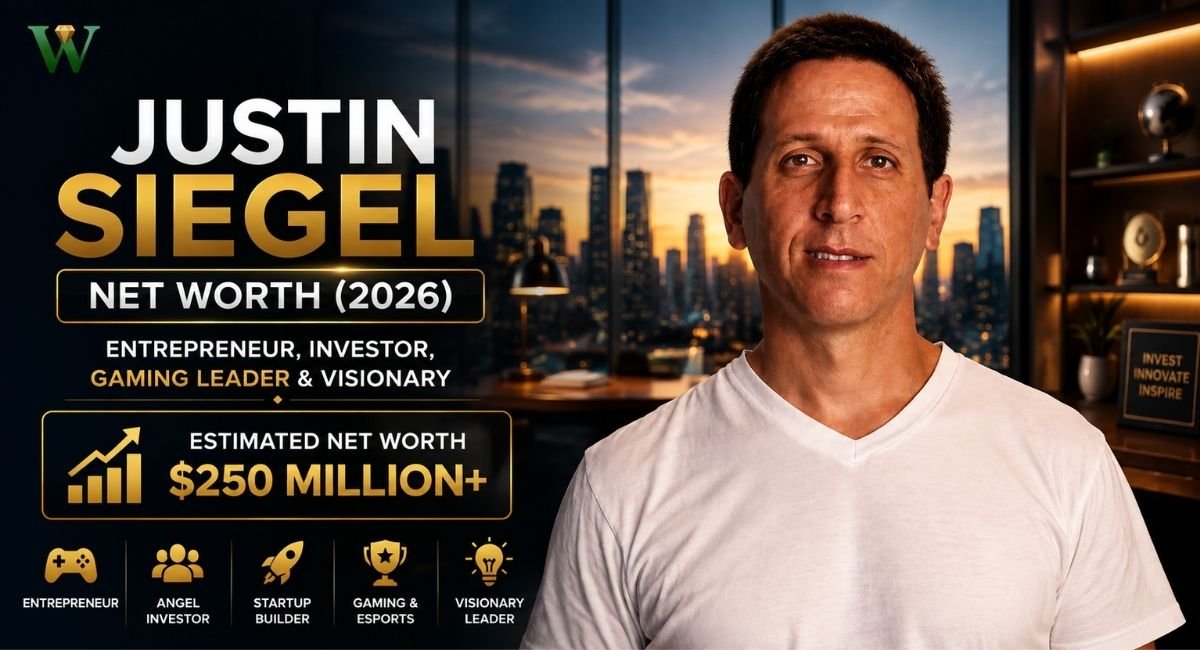
Justin Siegel built his fortune by staying ahead of technology’s biggest shifts. From mobile gaming to social networking and startup investing, his career spans several fast-moving industries. As a technology entrepreneur, he co-founded JSmart Technologies and later helped build MocoSpace through JNJ Mobile. His path eventually expanded into venture investing and esports.
Today, Justin Siegel net worth is difficult to pin down because many of his assets and investments remain private. His work as an angel investor and involvement with NRG Esports have added depth to his financial portfolio. This article explores his Justin Siegel wealth, career milestones, businesses, investments, and the factors shaping his estimated fortune in 2026.
Who Is Justin Siegel?
Justin Siegel is an American tech entrepreneur with a background in gaming, social networking, mobile technology, and startup investing. Capital Factory describes him as a two-time entrepreneur and an investor with more than 20 investments. It also highlights his interest in gaming, mobile apps, social media, funding, and business strategy.
His Justin Siegel biography becomes more interesting when you look beyond entertainment headlines. He spent years building technology companies before moving toward investing. That transition turned him from a technology entrepreneur into an early-stage investor who could apply firsthand founder experience to new businesses.
Justin Siegel Net Worth in 2026
The estimated Justin Siegel net worth falls within a broad range in online reports. However, no reliable public financial filing confirms an exact 2026 figure. His wealth is difficult to calculate because private-company shares, venture investments, and ownership percentages usually remain confidential.
His Justin Siegel wealth appears connected to several chapters of his career. These include company exits, ownership in technology ventures, startup investments, advisory activities, and gaming-related holdings. In other words, his financial story looks more like a portfolio than a single jackpot.
| Wealth Area | Why It Matters |
| JSmart Technologies | Early company exit |
| JNJ Mobile | Major entrepreneurial venture |
| MocoSpace | Mobile social-networking success |
| Angel investing | Exposure to private startups |
| Venture capital | Broader investment opportunities |
| NRG Esports | Gaming and entertainment exposure |
| Advisory work | Additional professional involvement |
The most important point is simple. A precise figure would require private financial records that aren’t publicly available. Therefore, readers should treat online net-worth numbers as estimates rather than confirmed facts.
Justin Siegel’s Early Life and Education
The available Justin Siegel biography contains some conflicting details about his education and early years. Executive profiles connect him with the University of Massachusetts Amherst, where he earned both undergraduate and graduate degrees. His educational background preceded a career that eventually crossed technology, entertainment, and investing.
Interestingly, Siegel didn’t follow the typical Silicon Valley engineering route. His later success came from identifying consumer behavior and business opportunities. That distinction matters because a successful startup founder doesn’t always need to be the person writing the code. Sometimes the bigger advantage is recognizing what users want before competitors do.
His early professional experiences also included entertainment and media. That background gave him exposure to creative industries before he moved deeper into mobile technology. Over time, those interests overlapped with gaming, social platforms, and digital entertainment.
Justin Siegel’s Early Career and JSmart Technologies
The Justin Siegel career gained serious momentum through JSmart Technologies. Siegel co-founded the mobile entertainment company and served as its chief executive. The business focused on mobile games during an era when phones were becoming increasingly capable of delivering entertainment.
That timing proved valuable. The smartphone ecosystem had not yet reached its modern scale. App stores weren’t shaping consumer behavior in the same way they do today. JSmart entered the market early and eventually attracted the attention of South Korea’s SK Group. The company was acquired by SK Group in 2004.
Why JSmart Technologies Mattered
JSmart Technologies represented more than an early business success. It gave Siegel experience with product development, customers, partnerships, and a company acquisition. It also created an important entrepreneurial lesson: building a valuable business can sometimes produce greater financial leverage than earning a traditional salary.
For Siegel, the sale became an early liquidity event. The transaction’s financial terms weren’t publicly disclosed. Still, the experience gave him something equally valuable: credibility as a founder. That foundation later helped him build another mobile company and eventually become an angel investor.
MocoSpace and JNJ Mobile: Building a Mobile Empire
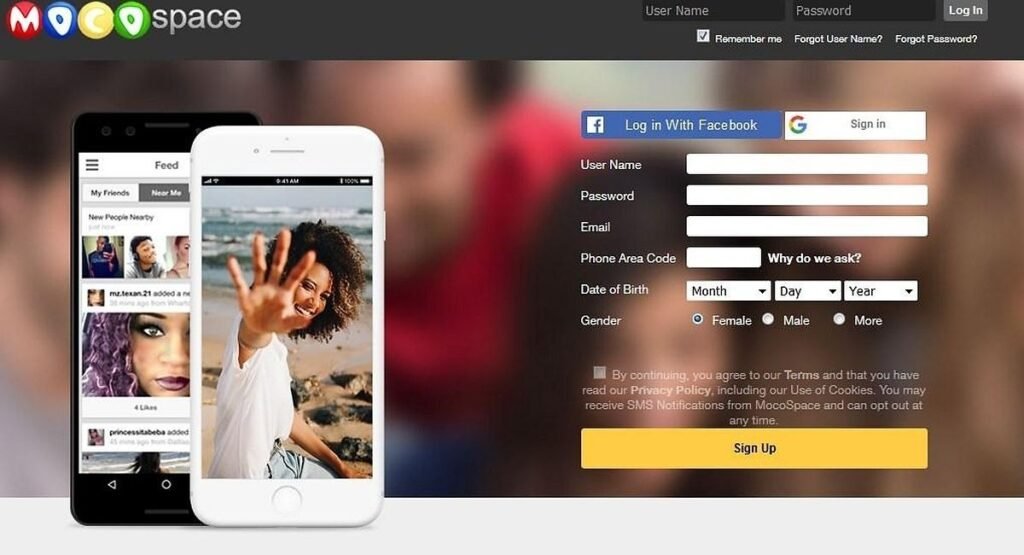
After JSmart, Siegel continued pursuing mobile opportunities. He co-founded JNJ Mobile, which became closely associated with MocoSpace. The company’s focus was social interaction and entertainment through mobile devices. That was a timely idea because mobile phones were rapidly changing how people communicated.
MocoSpace developed into a major mobile social platform. Users could communicate, build profiles, discover communities, and play games. Its combination of networking and entertainment created a powerful early social gaming network. The company demonstrated that mobile users wanted more than simple messaging.
The business also benefited from early startup funding. External investment helped the company expand its product and audience. This period became one of the most important parts of the Justin Siegel businesses story because it showed his ability to scale beyond a single startup.
MocoSpace’s Growth and Business Model
MocoSpace’s appeal came from combining several activities under one roof. Users could socialize while also engaging with games and entertainment. That model helped the company stand apart from services focused only on communication.
The timing was especially important. Facebook and other social networks were expanding rapidly, yet mobile-first experiences were still developing. Siegel recognized that phones could become social destinations rather than simple communication tools. That insight became a valuable part of his Justin Siegel career.
Justin Siegel’s Transition to Angel Investing and Venture Capital
Building companies taught Siegel how difficult entrepreneurship can be. Later, he used that experience to support other founders. His move into angel investing allowed him to participate in companies without personally running every operation.
Siegel became associated with ATX Angel, an Austin-based investment platform focused on early-stage companies. He also became involved with Capital Factory, where his experience in startups, gaming, mobile applications, and social media became useful to founders. Capital Factory currently describes him as a two-time entrepreneur and 20-plus-time investor.
Justin Siegel as an Investor
As a Justin Siegel investor, his strategy has focused heavily on emerging technology. Public investment databases associate him with companies such as Kinvey, Media Armor, PenPal Schools, Kronologic, Aquifer Motion, and Mustard. These records illustrate his range across software, education, media, and technology.
This approach differs from buying established public stocks. An early-stage investor accepts greater uncertainty in exchange for potential upside. A young company might fail completely. Yet a small stake in a successful startup can become highly valuable if that company grows dramatically.
That risk-and-reward balance explains why Justin Siegel investments are difficult to value from the outside. Investors can own preferred shares, options, fund interests, or other securities. Without knowing the exact terms, calculating personal investment returns becomes guesswork.
ATX Angel, NextGen Angels and Capital Factory
The investment phase expanded his professional network. Through ATX Angel, Siegel developed a platform for early-stage investing. His association with NextGen Angels further connected him with emerging companies and investment opportunities.
Meanwhile, Capital Factory placed him within one of Texas’s major startup ecosystems. The organization says it has been among Texas’s most active early-stage investors since 2010. Its broader mission involves connecting founders with capital, customers, and introductions.
That environment fits Siegel’s background well. He understands the founder’s side of fundraising. He also understands the investor’s side of evaluating risk. That combination can be especially useful when assessing early products and inexperienced management teams.
Justin Siegel and NRG: His Journey in Esports
Gaming remained an important thread throughout Siegel’s professional life. His connection with NRG Esports extended that interest into competitive gaming. The move also created exposure to a rapidly developing entertainment market.
The Justin Siegel esports connection makes sense when viewed alongside his earlier mobile gaming experience. He had already spent years working around games and digital communities. Esports offered another way to combine technology, entertainment, audiences, and sponsorships.
NRG Esports operates within a business model where value can come from teams, media exposure, sponsorships, content, and competitive performance. Therefore, esports ownership can function differently from traditional business ownership. The brand itself can become an important asset.
However, Siegel’s exact ownership percentage and current financial interest aren’t publicly established in sufficient detail. That means estimates of his NRG-related wealth should remain cautious.
Justin Siegel’s Sources of Wealth and Investments
The Justin Siegel sources of wealth are spread across entrepreneurship and investing. His earliest business experience came from mobile gaming. His later ventures expanded into social networking. After that, startup investing gave him exposure to companies he didn’t personally operate.
His Justin Siegel assets may therefore include private-company interests, investment positions, and business-related ownership. However, private assets don’t have the same transparent pricing as publicly traded shares. A valuation reported during a funding round doesn’t necessarily equal the amount an investor could receive today.
Technology Entrepreneurship
Technology entrepreneurship appears to be the foundation of his financial story. JSmart gave him early operating experience. JNJ Mobile and MocoSpace then provided a larger platform for growth.
Successful entrepreneurship can create wealth through equity stakes rather than salary alone. If a founder owns part of a growing company, the value of that ownership can rise as the company expands. That model differs sharply from conventional employment.
Angel Investing and Venture Capital
The next major wealth engine is investment activity. As a Justin Siegel venture capitalist, he has gained access to multiple startup opportunities. Rather than placing all his resources into one company, portfolio investing spreads exposure across different businesses.
This is where venture capital can become powerful. A portfolio may contain many modest outcomes alongside one or two exceptional winners. The strongest investments can potentially compensate for companies that fail.
Private Company Equity
Private company equity is another reason his wealth remains difficult to measure. Startups often raise capital at different valuations. Their shares may remain illiquid for years. Investors can also face dilution as companies raise additional funding.
That makes startup valuation an imperfect measure of personal wealth. A paper valuation doesn’t always mean an investor can immediately sell their stake for the same amount.
Justin Siegel’s Career Timeline and Major Achievements
The Justin Siegel career follows a clear evolution. First came mobile entrepreneurship. Then came social networking. Later, investing became a larger part of his professional identity. Gaming remained a consistent theme throughout the journey.
| Period | Major Development |
| Early 2000s | Co-founded JSmart Technologies |
| 2004 | JSmart Technologies acquired by SK Group |
| 2005 | Co-founded JNJ Mobile |
| 2000s | Developed MocoSpace |
| Later career | Expanded into angel investing |
| 2010s | Became active in Austin’s startup ecosystem |
| 2010s | Joined Capital Factory’s mentor and investment network |
| 2010s onward | Became associated with NRG Esports |
| 2026 | Continues work around startups and investing |
This timeline reveals a recurring pattern. Siegel didn’t abandon his earlier interests. Instead, he layered new opportunities on top of existing experience.
His business ventures moved from creating products to financing products. That transition is significant because successful founders often become investors after learning how companies actually grow.
Justin Siegel’s Personal Life, Lifestyle and Current Work

Justin Siegel has received public attention for his former marriage to actress and singer Emmy Rossum. That relationship attracted entertainment coverage because of Rossum’s growing career. However, it represents only a small portion of his professional story.
His stronger public identity remains that of a Justin Siegel entrepreneur and investor. Professional profiles emphasize his startup experience rather than celebrity connections. Capital Factory specifically highlights his background in gaming, social networking, funding, pitching, and product development.
His current work also reflects a quieter lifestyle than many technology personalities. He isn’t known for constantly displaying luxury purchases or public wealth. Instead, his professional activity centers on founders, investments, technology, and business strategy.
Justin Siegel Income and Current Professional Focus
Exact Justin Siegel income isn’t publicly disclosed. That isn’t unusual for an investor whose compensation may come through several channels. Investment gains, carried interest, ownership appreciation, advisory work, and business interests can all create financial value.
His current professional profile is therefore better understood through his activities rather than a reported annual salary. Capital Factory identifies him with startup mentorship and investment experience. That suggests his career has shifted firmly toward helping other businesses grow.
Conclusion
The story behind Justin Siegel net worth is ultimately a story about timing. He entered mobile gaming before smartphones reshaped everyday life. He then built a mobile social business before today’s app economy became mature.
Later, his experience became investment capital and founder knowledge. His Justin Siegel investment portfolio reflects that shift from builder to backer. He has remained connected to technology, gaming, and digital entertainment while exploring new business ownership opportunities.
The biggest lesson from his career is diversification. He didn’t depend forever on one company or one industry. Instead, he built skills through entrepreneurship and then applied those skills to investing.
That approach helps explain his wealth accumulation story. Still, readers should avoid treating online estimates as audited facts. Private-company valuations, undisclosed ownership percentages, and investment terms make precise calculations impossible from public information alone.
What is clear is that Justin Siegel has created a distinctive career. He moved from mobile gaming to social networking, then into venture investing and esports. His journey offers a useful case study of how a startup founder, angel investor, and venture capitalist can build long-term financial opportunities by staying close to emerging technology.
Frequently Asked Questions About Justin Siegel
Justin Siegel’s exact net worth isn’t publicly confirmed. Online estimates vary widely because much of his wealth comes from private businesses and investments.
He built wealth through technology entrepreneurship, company exits, startup investing, and gaming-related business ventures.
Justin Siegel co-founded JSmart Technologies and JNJ Mobile. JNJ Mobile became closely associated with the MocoSpace mobile social platform.
Yes. He has worked as an angel investor and early-stage investor, with professional involvement across several technology startups and investment networks.
He is best known for his work in mobile technology, MocoSpace, startup investing, and his involvement with NRG Esports.

Tanzeela is a writer and researcher at WorthIcons, covering celebrity net worth, business, careers, wealth, and biographical stories. She researches publicly available information from reputable sources and aims to present financial estimates clearly and responsibly.