
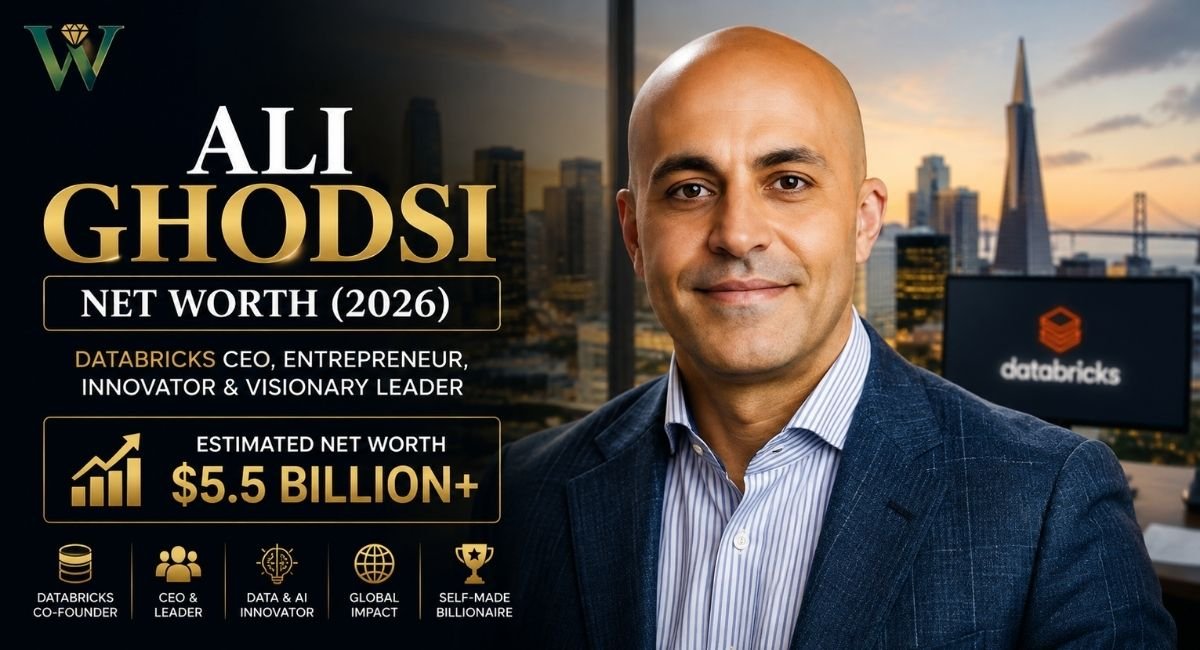
Ali Ghodsi’s rise from academia to Silicon Valley leadership is a remarkable story of innovation and persistence. Best known as the Databricks CEO, he helped turn groundbreaking data technology into a global business. Today, the Ali Ghodsi net worth is estimated at around $5.5 billion, with data analytics representing his primary wealth source.
His fortune is closely tied to Databricks and its rapidly increasing private valuation. Ghodsi’s journey began with Ali Ghodsi education in engineering and computer science before he entered research and entrepreneurship. His work with Apache Spark helped create the foundation for Databricks. As the company expands across data and AI, his wealth and influence continue to attract worldwide attention.
Ali Ghodsi Net Worth 2026 & Personal Stats
The latest Forbes estimate puts Ali Ghodsi net worth 2026 at approximately $5.5 billion. Forbes ranks him among the world’s billionaires and identifies data analytics as his primary source of wealth. Because Databricks remains privately held, his estimated fortune can move as investors assign new values to the company.
| Personal Detail | Information |
| Full Name | Ali Ghodsi |
| Estimated Net Worth | $5.5 billion |
| Age | 47 |
| Profession | Technology entrepreneur |
| Company | Databricks |
| Position | CEO and Co-Founder |
| Citizenship | Swedish citizen |
| Residence | San Francisco |
| Main Industry | Data analytics |
| Wealth Type | Self-made wealth |
| Education | Mid Sweden University, KTH |
| Marital Status | Married |
His Ali Ghodsi age is 47, and his professional identity extends far beyond being a billionaire. He is a researcher, engineer, executive, and Databricks co-founder. His fortune largely reflects company equity rather than money sitting in a bank account.
That difference matters. Ali Ghodsi wealth can rise when Databricks becomes more valuable even if he doesn’t receive billions in annual cash income. Private-company ownership works differently from a normal salary, making billionaire estimates more fluid.
How Is Ali Ghodsi’s Net Worth Estimated?
Forbes calculates billionaire wealth using available information about ownership, company valuations, and other assets. With Databricks privately held, outside observers cannot see every detail of Ghodsi’s financial portfolio.
The latest estimate therefore shouldn’t be interpreted as a precise bank balance. Instead, it represents the estimated market value of his holdings and other known wealth.
Ali Ghodsi’s Early Life, Childhood & Family Background
Long before Databricks, Ghodsi experienced a childhood shaped by major political and social upheaval. His family left Iran after the 1979 Revolution and eventually settled in Sweden. He has spoken publicly about growing up around violence and seeing people die in the streets.
That background became an important part of the Ali Ghodsi biography. Moving countries as a child meant adapting to a new culture while building a completely different future. Sweden gave him access to education and technology, which later became central to his professional life.
Ghodsi has described those early experiences as teaching him that circumstances can change suddenly. That mindset may help explain his willingness to take significant professional risks later. Instead of following a predictable academic route, he eventually stepped into the uncertain world of startups.
Ali Ghodsi’s Swedish Background
Ghodsi became a Swedish citizen and built his early professional life there. Sweden’s strong education system helped him develop the technical foundation that later supported his work in distributed computing.
His childhood and family history also help explain why his story feels different from many Silicon Valley biographies. He wasn’t raised inside the technology industry. His journey crossed countries, disciplines, and eventually entire industries.
Ali Ghodsi’s Education & Academic Journey
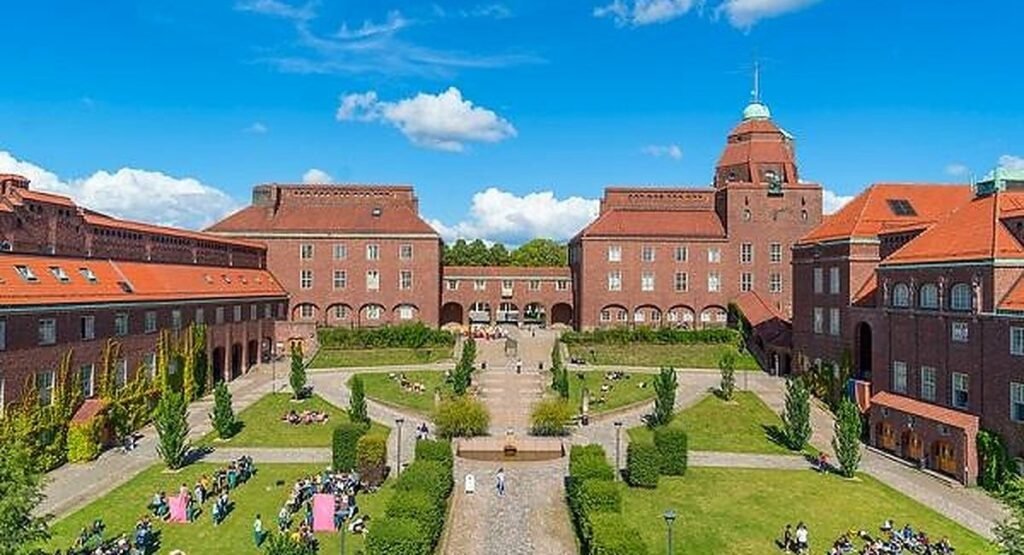
Education became the first major engine behind Ghodsi’s career. He studied engineering at Mid Sweden University before continuing into advanced research. He later earned an MBA from the same university and completed his Ph.D. at KTH Royal Institute of Technology in Sweden.
According to Databricks, his doctoral research focused on Distributed Computing. His academic background gave him a deep understanding of how computers can coordinate workloads across multiple machines. That knowledge later became highly relevant to modern big data systems.
| Academic Stage | Institution | Area |
| Engineering studies | Mid Sweden University | Engineering |
| MBA | Mid Sweden University | Business |
| Ph.D. | KTH Royal Institute of Technology | Distributed Computing |
| Research | UC Berkeley environment | Distributed systems and data technology |
His Ali Ghodsi education combined technical knowledge with business training. That combination proved useful later because Databricks required more than brilliant engineering. The company needed someone who could understand customers, products, hiring, strategy, and capital markets.
Why His Education Matters
Ghodsi’s education wasn’t simply a collection of degrees. It formed the intellectual toolkit he later used as an entrepreneur. Engineering taught him how systems work, while business training helped him think about commercial opportunities.
That blend became especially valuable when he moved from research into enterprise software. He could discuss complex technical problems while also explaining why businesses should pay to solve them.
Ali Ghodsi’s Research Career & Work in Computer Science
Before becoming a CEO, Ghodsi spent years working in computer science and distributed systems. His research examined subjects such as resource management, scheduling, and data caching. Those topics may sound technical, yet they sit underneath many modern computing systems.
Databricks says ideas from his academic research were applied to Apache Mesos and Apache Hadoop. He also became one of the creators of Apache Spark, the open-source technology that eventually became central to Databricks.
Spark changed how developers could work with massive datasets. Instead of relying on slower traditional approaches, organizations could process information across clusters of computers. This was an important step as businesses generated increasingly huge volumes of digital information.
The Apache Spark Connection
The Spark project became much more than an academic experiment. It developed into one of the most influential open-source projects in modern data computing.
Ghodsi worked alongside researchers connected with UC Berkeley, helping transform research concepts into practical technology. That experience would later make the jump into commercial software much less mysterious.
Ali Ghodsi’s Journey From Academic to Entrepreneur
The transition from researcher to entrepreneur wasn’t immediate. Ghodsi initially joined Databricks in 2013 as a part-time engineer. The company had been founded by Ghodsi and six UC Berkeley academics who had worked on Spark.
At first, the company faced a familiar startup problem. Having impressive technology doesn’t automatically create a successful business. Databricks needed customers, revenue, strong leadership, and a clear product strategy.
Ghodsi eventually became CEO in January 2016. Databricks credits him with leading the company’s growth and international expansion. He had moved from an academic career into a demanding leadership position where technology alone couldn’t guarantee success.
From Researcher to CEO
The shift required a different kind of thinking. A researcher can focus deeply on a technical problem, while a CEO must make decisions across an entire organization.
Ghodsi had to think about sales, hiring, product development, competition, investors, and company culture. That transition became one of the defining chapters of his Ali Ghodsi career.
Why Databricks Needed a Business Leader
Databricks had excellent technology through Spark. Yet customers needed something broader than an open-source engine.
The company gradually built commercial products around data storage, analytics, engineering, machine learning, and AI. That strategy helped turn a promising software startup into a global technology business.
How Ali Ghodsi Built Databricks Into a Global Technology Company
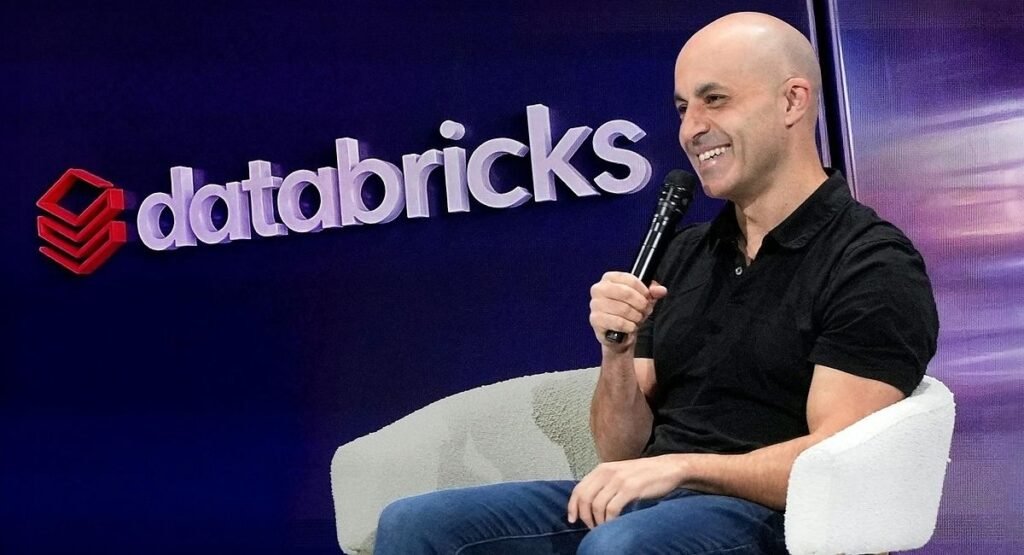
Databricks grew by addressing a fundamental business problem: companies had enormous amounts of data but struggled to organize and use it efficiently. The company developed a unified data platform designed to help organizations store, process, analyze, and build applications using their information.
A major part of its strategy involved the data lakehouse concept. The idea combines elements associated with data lakes and traditional warehouses. For businesses, that can mean fewer disconnected systems and a more unified environment for analytics and AI.
Databricks expanded its capabilities as customer needs changed. Its platform moved deeper into data engineering, data analytics, machine learning, and artificial intelligence. That evolution helped it compete for increasingly valuable enterprise workloads.
Databricks and the AI Revolution
AI has dramatically increased the importance of clean, accessible business data. Large language models can generate impressive outputs, yet enterprises still need reliable information and infrastructure behind them.
Databricks positioned itself around that opportunity. The company increasingly markets products designed to help businesses build AI applications using their proprietary data.
From Spark to the Lakehouse
Spark provided the technical roots. Databricks then built a commercial ecosystem around those roots.
This is an important distinction when examining the Databricks company. Its success didn’t come from simply selling Apache Spark. Instead, it built an extensive business platform around data, analytics, governance, applications, and AI.
Databricks Funding, Investors, Valuation & Major Milestones
Databricks has experienced extraordinary growth in private markets. In August 2026, the company announced a $5 billion funding round at a $190 billion valuation. Reuters reported that the company had surpassed a $7 billion annualized revenue run rate and was growing revenue by more than 80% year over year.
The jump is striking because Databricks had been valued at $134 billion only six months earlier. The newest round was led by Coatue, Blackstone, MGX, T. Rowe Price-advised accounts, and Sixth Street Growth.
| Period | Reported Databricks Valuation |
| 2019 | About $6 billion |
| 2021 | About $27.5 billion |
| 2021 later round | About $38 billion |
| 2024 | About $57 billion |
| 2025 | About $100 billion |
| February 2026 | About $134 billion |
| August 2026 | About $190 billion |
The latest Databricks investors showed unusually strong interest. TechCrunch reported that the company initially wanted to raise only $1 billion, while selected investors expressed roughly $15 billion in interest. Databricks ultimately settled on $5 billion.
Why Databricks Attracts Investors
Investors are betting on the intersection of data and AI. Databricks reported a $7 billion annualized revenue run rate in August 2026, with growth above 80%. It also remained cash-flow positive over the previous year.
That combination is powerful. Rapid growth provides excitement, while positive cash flow gives investors greater confidence that the business isn’t simply burning capital to create headlines.
Databricks’ Latest Growth
The company’s latest financing will support AI-related products and infrastructure. Reuters reported that Lakebase had passed a $100 million revenue run rate, while its Lakehouse data-warehousing business exceeded a $1.5 billion run rate.
Those figures show why the Databricks valuation has climbed so quickly. Investors aren’t valuing only the company’s history. They’re also pricing its potential role in enterprise AI.
Ali Ghodsi’s Salary, Databricks Shares & Sources of Wealth
When people search for Ali Ghodsi salary, they often expect one number. However, his salary is only one part of his financial picture. His much larger source of wealth comes from ownership in Databricks and the rising value of that private company.
Forbes identifies data analytics and self-made wealth as the foundation of his fortune. His estimated wealth therefore depends heavily on the value attributed to his Databricks holdings.
| Wealth Factor | Importance |
| Databricks equity | Primary wealth driver |
| CEO compensation | Smaller than equity wealth |
| Private investments | Limited public information |
| Other assets | Not comprehensively disclosed |
| Company valuation | Major factor in estimated fortune |
This explains why Ali Ghodsi income shouldn’t be confused with his net worth. Income usually means money earned over a period. Net worth measures the estimated value of what someone owns after accounting for relevant liabilities.
How Databricks Equity Creates Wealth
Imagine owning part of a private company valued at $10 billion. If investors later value that company at $100 billion, your stake could become dramatically more valuable even without selling anything.
That principle helps explain Ghodsi’s net worth growth. His wealth can rise alongside Databricks’ valuation because founder equity participates in the company’s success.
Why the Estimate Can Change
Databricks isn’t publicly traded. Therefore, there’s no daily stock price showing exactly what Ghodsi’s shares are worth.
Private financing rounds provide valuation reference points. Forbes then uses available ownership and market information to estimate billionaire fortunes. That’s why different sources can sometimes publish different numbers.
Ali Ghodsi’s Achievements, Leadership & Influence in Tech
Ghodsi’s biggest professional achievement is arguably the bridge he built between research and commercial technology. He helped create Apache Spark, co-founded Databricks, and later guided the company through rapid expansion.
His influence now reaches beyond traditional analytics. Databricks has become a major player in artificial intelligence, enterprise data, and AI application development. The company’s strategy increasingly centers on helping organizations make their data useful to AI systems.
Leadership During Databricks’ Expansion
Ghodsi became CEO in 2016 after previously serving as vice president of engineering and product management. Databricks says he is responsible for company growth and international expansion.
That progression illustrates his unusual leadership profile. He didn’t arrive as a conventional corporate executive. He grew into leadership after spending years close to the underlying technology.
His Influence on Modern Data Technology
The broader impact of his work can be seen in how organizations approach data infrastructure. Businesses now expect their platforms to support analytics, AI, applications, governance, and large-scale processing.
Ghodsi’s career sits directly inside that transformation. His technical background helps him understand the infrastructure while his CEO role gives him responsibility for turning that technology into a scalable business.
Ali Ghodsi’s Wife, Children, Family & Personal Life
The public record around Ali Ghodsi wife and children is limited. While available profiles identify him as married, he generally keeps his family away from the intense attention surrounding his business career.
That privacy deserves respect. Reliable information about his Ali Ghodsi personal life is far thinner than information about Databricks. Therefore, readers should be cautious with websites that publish detailed claims about his spouse, children, or private routines without credible sourcing.
Ali Ghodsi’s Family Privacy
Ghodsi frequently discusses technology, AI, leadership, and business. He is much less open about family matters.
This creates an important distinction for an Ali Ghodsi family profile. Verified information should take priority over speculation, particularly when discussing relatives who aren’t public figures themselves.
His Life Outside Databricks
Ghodsi’s professional schedule is closely connected with Databricks and the technology industry. He also remains connected with academia through UC Berkeley, where Databricks identifies him as an adjunct professor and board member of RiseLab.
That connection reflects his continuing interest in research and education. Even after becoming a billionaire CEO, his academic roots remain visible.
Ali Ghodsi’s Assets, Investments, Lifestyle & Future Plans
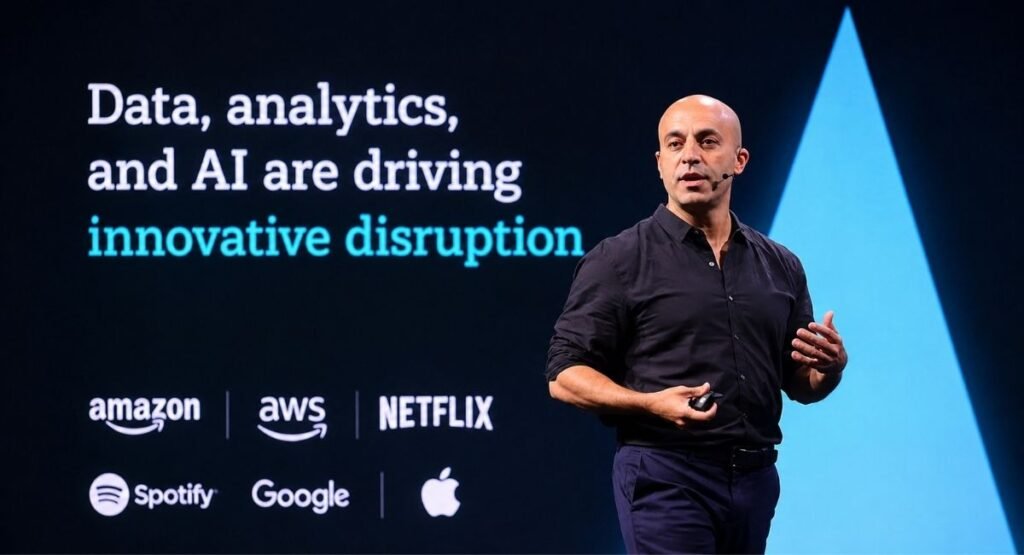
Public information about Ali Ghodsi assets is far less complete than his company wealth. His residence is listed as San Francisco, yet detailed information about private properties, vehicles, and personal holdings isn’t comprehensively disclosed by reliable sources.
The same caution applies to Ali Ghodsi investments. Databricks is clearly the dominant publicly documented component of his fortune, while a complete inventory of personal investments isn’t available. It would therefore be misleading to attach unsupported luxury purchases or property values to his biography.
Databricks’ Future Direction
The future looks heavily connected to AI. In August 2026, Databricks said its annualized revenue run rate had passed $7 billion. The company also reported more than 80% year-over-year revenue growth and continued cash-flow positivity.
Ghodsi has positioned Databricks around enterprise AI infrastructure. Products such as Lakebase, Genie, and Unity AI Gateway are part of that strategy. The company plans to use fresh capital to accelerate those offerings.
The IPO Question
Databricks is widely viewed as a potential future public company. Yet the timing remains uncertain.
For Ghodsi, an eventual IPO could provide a transparent market price for Databricks shares. Until then, his estimated fortune will continue depending largely on private financing valuations and available information about his ownership.
Why AI Matters to His Future Wealth
The AI boom has created enormous demand for computing, databases, analytics, and enterprise applications. Databricks is positioned across several of those categories.
If the company maintains strong growth, its valuation could support further wealth growth for its founders. However, private technology valuations can also fluctuate sharply, especially when investor expectations change.
Conclusion
Ali Ghodsi’s rise shows how academic research can become a remarkable business story. His path moved from Iran to Sweden, then from engineering and research into entrepreneurship. Along the way, his work with data analytics, distributed computing, and Apache Spark helped create the technical foundation for Databricks.
The latest Ali Ghodsi net worth 2026 estimate of $5.5 billion reflects that extraordinary journey. Yet his fortune is only one part of the story. Databricks’ $190 billion valuation, strong revenue growth, and expanding AI strategy could shape the next chapter of his career.
For readers interested in technology entrepreneurship, his story offers a useful lesson. Great companies rarely emerge from one brilliant idea alone. They often require technical depth, commercial discipline, strong leadership, timing, and the courage to turn research into something people actually use.
Frequently Asked Questions About Ali Ghodsi
Ali Ghodsi is Swedish, and public sources also identify him as holding American citizenship.
His estimated net worth is $5.5 billion as of August 2026, according to Forbes.
He is best known as the CEO and co-founder of Databricks and for his work on Apache Spark and distributed computing.
Databricks is privately held, with ownership shared among its seven founders, institutional investors, strategic investors, and employees with equity.
Ali Ghodsi is of Persian/Iranian origin. He was born in Iran and later grew up in Sweden.

Tanzeela is a writer and researcher at WorthIcons, covering celebrity net worth, business, careers, wealth, and biographical stories. She researches publicly available information from reputable sources and aims to present financial estimates clearly and responsibly.